Rules and ethics
3 questions to ask before you quote a Birmingham retail or FMCG brand deal
Brand deals in Birmingham retail and FMCG start with three questions on approved budgets, deliverable scope, usage and exclusivity, and CAP Code disclosure.
What to take away
- Brand deals in Birmingham retail and FMCG move on annual budget cycles, so ask what is approved before you quote.
- Pin down deliverable scope, usage rights and exclusivity in writing, because they change the fee more than follower count.
- CAP Code and CMA rules make disclosure a costed deliverable, not an afterthought.
- A defensible quote names the check, the assumption and the price.
- Midlands creators who quote late lose to those who quote with conditions.
Why Birmingham retail and FMCG deals need three checks before a quote
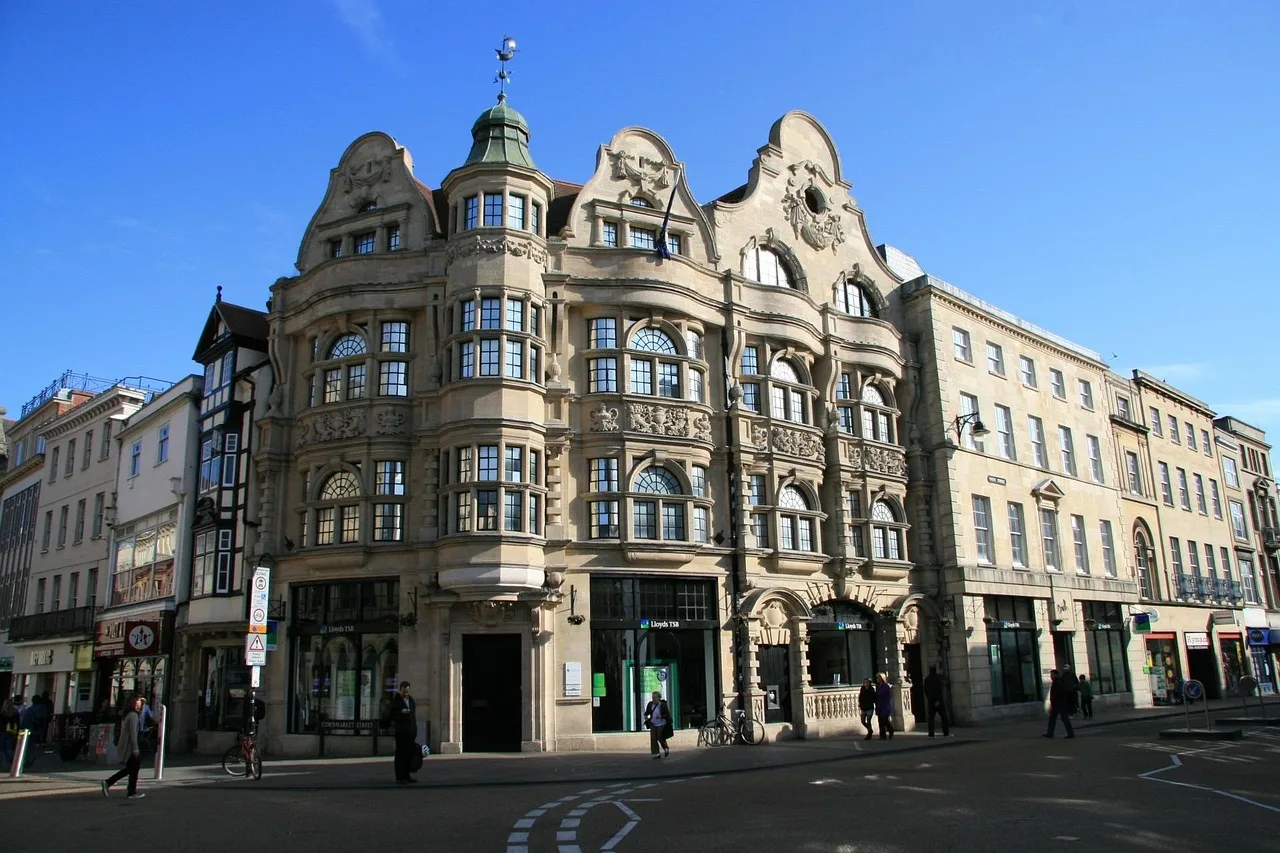
Birmingham sits at the centre of the Midlands retail and FMCG corridor. Bullring, Grand Central and the Jewellery Quarter host national chains, while Digbeth and the Custard Factory hold agencies and production studios. The city's creator base serves brands across the West Midlands and beyond.
The FMCG employer base is serious. Cadbury has made confectionery in Bournville since the Victorian era, and Mitchells & Butlers runs pub and restaurant brands from the city centre. Both buy content.
Retail activity follows footfall. Bullring traffic peaks in November and December, so campaign money clusters around the Christmas quarter and the January sales.
The advertiser base is large and mixed. Official business statistics record thousands of retail and wholesale firms across the region, from independents to national multiples. That range means budgets vary more than any single rate card suggests Business activity, size and location.
Brand marketing teams here often work to group calendars set in London or Manchester. Creators who quote without asking about that calendar price blind. The three checks below turn a guess into a defensible quote.
1. Is the budget approved, and when must it be spent?
Retail and FMCG budgets are set annually, then released in quarters. Christmas campaigns are signed off by late summer. Back-to-school and Easter activity is planned months ahead. A quote sent in the wrong quarter waits.
Budget cycle and sign-off timing
- Late summerChristmas campaigns signed off
- Quarter endUnspent funds committed
- March, June, Sept, DecBooks close
- 60-90 daysProcurement payment terms
Quarter ends matter too. March, June, September and December close the books, and unspent money often needs committing before the period shuts. Ask when the funds expire.
Ask a direct question: is this campaign funded from an approved budget line, or is it a test? Test budgets are real, but they are smaller and slower. Approved budgets move in days.
Ask who signs. A brand manager may brief you, but finance or procurement may approve. In larger Birmingham groups, procurement can add payment terms of 60 or 90 days. That affects your cash flow, so price it.
- Which financial year does this spend sit in?
- Is the budget approved or provisional?
- Who signs off, and who processes the invoice?
- What payment terms apply?
- Are there agency fees taken from the same pot?
Advertiser guidance on media planning and agency relationships explains how these layers work ISBA | Knowledge Hub. Knowing whether an agency or the brand holds the budget changes who you negotiate with.
2. What deliverables, usage rights and exclusivity are included?
Deliverable scope is the list of what you will make and when. One Instagram Reel is not the same as a Reel, three Stories, a TikTok cut-down and a product shoot. Each item costs time and kit.
Scope, usage and exclusivity pricing
Cheapest
- Deliverables
- One Reel
- Usage
- Organic only
- Exclusivity
- None
- Revisions
- None
Mid
- Deliverables
- Reel plus Stories
- Usage
- Paid social
- Exclusivity
- Narrow category
- Revisions
- One round
Most expensive
- Deliverables
- Multi-location shoot
- Usage
- In-store and e-commerce
- Exclusivity
- Whole grocery aisle
- Revisions
- Two named rounds
Count the hidden work. Product delivery, shoot days, revisions and platform-native edits all sit inside scope. If the brand wants two revision rounds, name them and price them.
Format matters for cost too. Vertical video shot in one day is cheaper than a campaign that needs three locations, talent and a music licence. Say which one you are quoting for.
Usage rights decide where the brand can run your content and for how long. Organic only is cheapest. Paid social, website, email and in-store screens cost more. Retail brands often want in-store and e-commerce use, which is a licence, not a post.
Exclusivity is the quiet budget killer. A Birmingham FMCG brand may ask you not to work with competitors for six months. That blocks other income, so it must be priced. Define the category narrowly: a cereal brand is not the whole grocery aisle.
A worked example helps. A Midlands creator quotes £1,200 for one Reel. The brand then asks for 12 months of paid usage, in-store screens and category exclusivity. The revised quote adds usage and exclusivity rather than discounting the original. This is where a quality checklist for brand deals keeps the line items visible.
3. How will the content meet CAP Code rules and CMA expectations on disclosure?
Ads must be clearly recognisable as such, as set out in the CAP Code. Sponsored retail and FMCG content must be labelled as advertising, with a clear label placed up front, not buried among hashtags Recognising ads: Social media and influencer marketing - ASA | CAP.
Disclosure duties before you quote
- Label ads clearly up front
- Do not bury label in hashtags
- Check brand script claims
- Price or refuse hidden-label requests
- Platform tools do not replace caption label
The CMA expects the same honesty under consumer protection law, including the Consumer Protection from Unfair Trading Regulations 2008. Misleading advertising can breach those rules, and the CMA can act on practices that mislead consumers Competition and Markets Authority - GOV.UK.
For your quote, disclosure is a deliverable. It takes time to script, place and check. Platform tools such as the paid partnership label help, but they do not replace a clear caption label.
Keep the wording in view. If the brand supplies a script, check that it does not make a claim you cannot support or verify.
If the brand asks you to hide the label or use an ambiguous phrase, that is a change to scope and risk. Price it or refuse it.
Turning the three answers into a defensible Birmingham quote
Now assemble the quote in steps.
Assembling a defensible quote
- State approved budget and window
- List deliverables with dates and formats
- Set usage rights by channel and duration
- Set exclusivity by category and period
- Add disclosure handling and compliance review
- State payment terms and late fees
- Note exclusions such as travel or reshoots
This structure makes the number explainable. If the brand pushes back, you can point to the line that changed. That is what makes a quote defensible.
Before you send it, run a selection checklist against the brief. Check that you have not mixed up a licence with a post, or a test budget with an approved one.
Midlands teams often negotiate in rounds. Expect a counter, and decide in advance which line you will trade. Usage duration is usually easier to shorten than exclusivity. Remember that buyer personas decide which number a brand can defend internally.
The agreed points then go into the paperwork. Before you agree sponsorship rates, check the contract terms that set them. A quote is only as good as the contract behind it.